










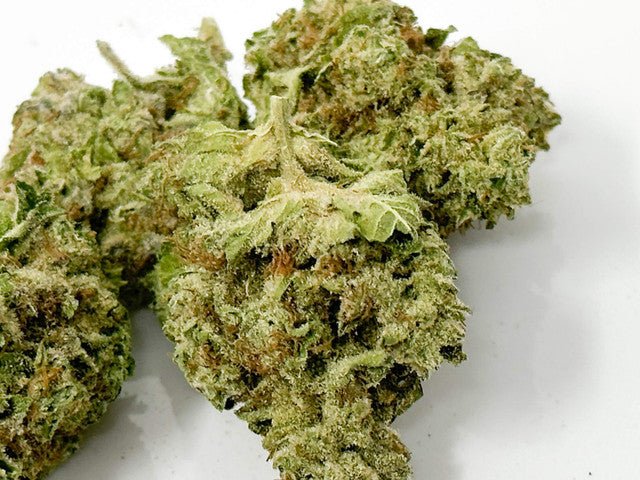
In the vast universe of cannabinoids, THCA perhaps doesn’t enjoy the spotlight as much as its derivative, THC. But make no mistake – this distinct compound, locked within the trichomes of cannabis, holds the key to a world of potential therapeutic and recreational effects. For those looking to deepen their understanding of the cannabis plant and its derivatives, exploring thca weed is an enlightening endeavor.
Understanding THCA
Tetrahydrocannabinolic Acid (THCA) is a unique phytocannabinoid found in raw cannabis plants. It is the non-psychoactive precursor to THC and is typically converted to THC when cannabis is decarboxylated – a process involving heat that removes a carboxyl group from the molecule. Unlike THC, which is renowned for its psychoactive properties, THCA is not intoxicating, making it a compelling area of research for potential medicinal benefits.
The Promise of THCA’s Medicinal Qualities
Studies have begun to uncover the potential of THCA in various medicinal applications. One notable area of interest is the compound’s anti-inflammatory properties. Inflammation is a key component in many chronic conditions, and preliminary research suggests that THCA could be a potent weapon against a host of inflammatory disorders.
Furthermore, due to its ability to influence the endocannabinoid system, THCA holds promise in areas of neuroprotection. This includes potential application in the treatment and management of neurodegenerative diseases such as Parkinson’s and Alzheimer’s.
THCA and the Entourage Effect
Another significant aspect of THCA is its interaction within the entourage effect. This theory posits that cannabinoids and terpenes work synergistically, thereby enhancing the therapeutic potential of the cannabis plant. THCA, in its pre-decarboxylated state, is thought to play a substantial role in this ensemble, accentuating the combined impact of the plant’s compounds.
Unlocking THCA’s Potential with Varying Delivery Methods
To harness THCA’s benefits, understanding different delivery methods is crucial. Methods like juicing raw cannabis or using tinctures or topicals that preserve THCA’s non-activated form allow for a tailored consumption experience. For those seeking medicinal properties without the intoxicating effects, these methods offer a more nuanced approach.
Current Research and Development on THCA
The scientific community is increasingly focusing on THCA to unlock more specific health benefits. Current research is exploring how THCA interacts with the body’s innate systems and the potential for targeted therapies. In parallel, development efforts aim to create products that offer a standardized, consistent dose of THCA for consumers.
Legal and Regulatory Considerations
While THCA is non-intoxicating in its raw form, its legal status can differ widely from jurisdiction to jurisdiction. Understanding the legality of THCA in various forms is crucial for both industry professionals and consumers. Regulatory clarity helps to demystify THCA and its role in medical cannabis programs.
Incorporating THCA into a Holistic Lifestyle
For individuals interested in a holistic approach to health, adding THCA to their wellness regimen could be a game-changer. Whether through diet, supplementation, or adjunct therapies, THCA’s non-psychoactive benefits offer a way to optimize well-being.
The Future of THCA
The potential for THCA to become a prominent figure in the medical and wellness sectors is expansive. Ongoing research, changing legal landscapes, and the evolving cannabis industry are setting the stage for THCA to move from obscurity to a recognized and celebrated cannabinoid.
Conclusion
THCA’s unique characteristics and potential benefits make it an exciting topic for those who seek a deeper understanding of cannabis and its applications. Beyond being just a precursor to THC, THCA stands out as a star in its own right, promising a spectrum of therapeutic possibilities for those willing to explore its nuanced secrets. Whether you are a consumer, a healthcare professional, or an industry innovator, staying informed about THCA is a step toward unlocking its full potential.