









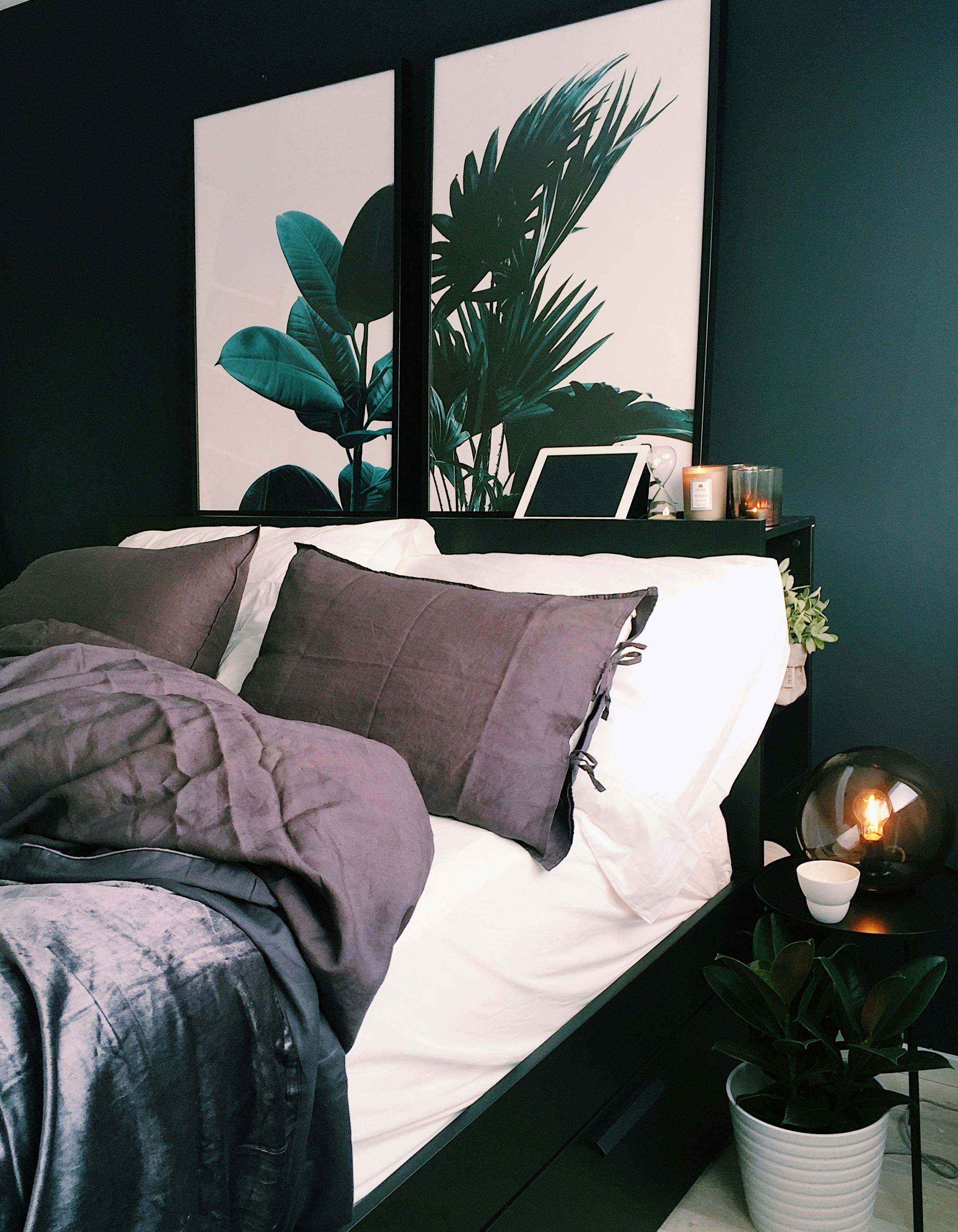
Our homes are more than just shelters—they’re an extension of who we are. They reflect our values, moods, interests, and aspirations. Interior design is the art and science of shaping spaces to be functional, beautiful, and aligned with our lives. But in a world of fast décor trends and copy-paste aesthetics, the true essence of interior design can get lost.
This blog explores how to create meaningful interiors by combining practicality, emotion, and personal style.
Why Interior Design Matters
Interior design isn’t about perfection. It’s about purpose. A well-designed space has the power to influence how you feel and how you live. When design is done thoughtfully, it enhances comfort, boosts wellbeing, and makes daily routines smoother.
A calm bedroom can support better sleep. A cheerful kitchen can inspire healthy meals. A flexible living space can bring people together. Design decisions—from layout to lighting—should serve these purposes first and foremost.
But beyond function, design helps us feel at home. It can evoke joy, nostalgia, pride, or serenity. That emotional connection is what makes good design truly personal.
Starting with Intent
When redesigning a space, start with intent. Ask yourself: What do I want this room to do for me? That might mean creating a place to rest, to entertain, to work, or to escape.
From there, build a vision around how you want the space to feel. Energetic? Peaceful? Cosy? Elegant? These emotional cues will help guide your choices with colour, furniture, materials, and accessories.
Too often, people start with Pinterest boards or shopping trips before defining the purpose of the space. The result can be a beautiful room that doesn’t quite work. Intent gives your space meaning.
Textures, Layers, and Details
The best interiors are layered—visually and emotionally. Think of a space as a story told through materials, finishes, and contrasts.
Smooth stone beside soft wool. Glossy ceramic against matte clay. Cool greys balanced with warm woods. It’s these subtle contrasts that bring a room to life.
Textiles in particular are key to creating comfort and richness. Throws, rugs, cushions, and curtains soften hard edges and absorb sound, making a space feel more intimate.
And when it comes to detail, don’t underestimate the power of small touches—like beautifully handmade lampshades.
Handmade Lampshades: Character Through Craft
Lighting is often the unsung hero of interior design. It’s not just functional—it’s atmospheric. The right lighting can instantly change how a room feels.
One of the simplest yet most impactful upgrades you can make is switching to a handmade lampshade.
Unlike mass-produced options, handmade lampshades offer originality, texture, and soul. They might feature hand-dyed fabrics, artisan prints, natural fibres, or sculptural forms. These details create visual interest whether the light is on or off.
Each handmade piece also carries a story—of the maker, the material, the process. That story becomes part of your home’s personality.
Position a handmade lampshade in a hallway for an unexpected pop of charm, or use it in the bedroom to soften bedside lighting with a warm, artisanal glow. It’s functional craftsmanship that speaks volumes.
Designing for the Senses
Great design appeals not only to the eyes, but to all the senses.
Sight:
Natural light, harmonious colours, and well-placed focal points create visual calm.
Touch:
Tactile textures—such as linen, velvet, jute, and brushed metal—invite interaction.
Sound:
Rugs and soft furnishings help absorb noise, while smart layouts minimise echo.
Smell:
Scent is deeply emotional. Candles, essential oils, and fresh flowers can influence how a room is perceived.
Temperature:
Materials like wood and wool feel warm, while glass and stone feel cool. Mix them according to season and climate.
When designing, consider how your space makes you feel moment to moment, not just how it looks in a photo.
Colour with Intention
Colour plays a key role in setting the mood of a room. Rather than chasing trends, choose hues that resonate with you.
- Soft blues and greens promote calm and focus.
- Earthy tones like terracotta and ochre feel grounding and warm.
- Darker shades like navy, plum, or charcoal can feel cocooning and dramatic.
- Bright colours bring joy and energy—great for kitchens or creative spaces.
Try using a neutral base and layering in colour through accessories, art, or textiles. That way, it’s easy to change the look seasonally or as your tastes evolve.
And remember: a bold or patterned lampshade is a fantastic way to add a burst of colour or quirk to a space without commitment.
Combining Old and New
Character often lies in the contrast between old and new. A sleek modern sofa looks more inviting with a vintage throw. An antique mirror can elevate a minimalist hallway. Even an old trunk can be reimagined as a coffee table.
Mixing styles adds depth and makes a space feel collected over time rather than bought all at once. It also reflects the layered nature of real life.
Look out for local makers, reclaimed furniture, and preloved finds that add charm and sustainability to your home.
Sustainability in Style
Today, more people are designing their interiors with sustainability in mind—and rightly so. The home should be a reflection not just of who you are, but of the world you want to live in.
This can mean:
- Choosing furniture made from reclaimed or FSC-certified wood
- Supporting independent craftspeople and small-batch makers
- Buying fewer, better-quality pieces
- Repurposing or upcycling existing items
Final Thoughts
Interior design is about crafting spaces that serve, support, and inspire you. It’s not about perfection, or following every trend, or recreating what you’ve seen online. It’s about authenticity. It’s about you.
So whether you’re redecorating your living room, creating a home office, or just refreshing a bedside table—remember that every choice, no matter how small, has the potential to make your home more yours.