
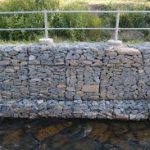

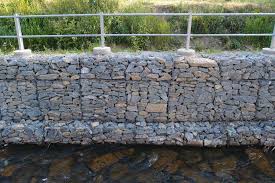
Building a durable and attractive fence doesn’t always require professional help. Installation of gabions by yourself (Montáž gabionů svépomocí) is possible with careful planning, the right materials, and step-by-step guidance. Gabions—wire mesh baskets filled with stones—are not only functional and long-lasting but also relatively simple to assemble with some preparation. But how can you ensure a successful DIY installation without compromising on stability or aesthetics?
What Are Gabions and Why Are They DIY-Friendly?
Gabions are cages made from wire mesh that are filled with stones or similar materials to create fences, retaining walls, or decorative landscaping features. But why are they suitable for DIY projects?
- Simple Structure: Wire mesh panels are easy to assemble and connect.
- Flexibility: Gabions can be adapted to uneven terrain and irregular boundaries.
- Low Tool Requirements: Basic hand tools are sufficient for most installations.
- Durability: Once filled and secured, gabions are stable and long-lasting.
- Visual Appeal: They provide a natural, rustic look that complements gardens, yards, and terraces.
The straightforward assembly process makes gabions an ideal option for homeowners wanting to build their own fences.
What Tools and Materials Do You Need for DIY Gabion Installation?
Before starting, you need the right tools and materials:
- Gabion Baskets: Choose sizes appropriate for your fence height and length.
- Wire Mesh or Lacing Wire: To secure panels and connect baskets.
- Stones or Fill Material: River rocks, crushed stone, or recycled concrete.
- Gloves and Safety Gear: Protect your hands and eyes during assembly.
- Level and Measuring Tape: Ensure baskets are aligned correctly.
- Shovel and Gravel Base Material: For leveling and preparing the ground.
- Zip Ties or Clips (Optional): Can be used for additional reinforcement.
Having all tools and materials ready before starting will make the installation process smoother and faster.
How Do You Prepare the Site for Gabion Installation?
Why is proper site preparation crucial?
- Measure the Area: Mark the fence line and determine the total length and height required.
- Clear Debris: Remove plants, rocks, or obstacles along the fence path.
- Level the Ground: For stability, level uneven ground or create a slight trench.
- Add a Gravel Base: A compacted gravel layer provides drainage and prevents soil shifting.
Good preparation ensures that gabion baskets remain level, stable, and long-lasting.
How Do You Assemble Gabion Baskets?
Step-by-step assembly is key to a sturdy structure:
- Lay Out Panels: Place mesh panels along the prepared fence line.
- Connect Panels: Use lacing wire, zip ties, or clips to join the panels securely at corners and edges.
- Reinforce Corners: Make sure the corners are firmly tied to prevent leaning.
- Double-Check Alignment: Use a level to ensure baskets are straight and even before filling.
Proper assembly prevents instability and ensures the fence remains visually appealing.
How Should You Fill Gabion Baskets with Stones?
Filling the baskets correctly is crucial for durability:
- Layer Stones Evenly: Start with larger stones on the outside for stability and aesthetics.
- Compact the Stones: Fill the interior with smaller stones or rubble, compacting as you go.
- Avoid Empty Spaces: Ensure no gaps remain to maintain structural integrity.
- Check Alignment Frequently: Ensure the baskets remain level while filling, adjusting stones as needed.
Careful filling prevents shifting and maintains the fence’s structural strength.
How Can You Secure the Gabion Baskets After Filling?
Once filled, baskets must be firmly secured:
- Tie the Top Edges: Use lacing wire or zip ties to connect tops of baskets.
- Interlink Adjacent Baskets: Ensure neighboring baskets are tied together for added stability.
- Anchor to Ground (Optional): For sloped terrain, stakes or pins can prevent sliding.
Securing baskets prevents movement over time and ensures long-lasting performance.
Can DIY Gabion Installation Save Money?
Yes, installing gabions yourself can be significantly cost-effective:
- Lower Labor Costs: Professional installation is not needed.
- Flexible Scheduling: Complete the project at your own pace.
- Controlled Material Use: Buy only what you need, reducing waste.
- Customized Design: Adjust sizes and patterns without paying for professional consultation.
DIY installation allows homeowners to build a high-quality fence while managing costs efficiently.
How Do You Ensure Longevity for DIY Gabion Fences?
Even a self-installed gabion fence can last decades if you take precautions:
- Use Galvanized or PVC-Coated Mesh: Protects against rust and corrosion.
- Select Durable Stones: Choose hard, weather-resistant rocks or recycled concrete.
- Proper Site Drainage: Prevents water accumulation around the base.
- Regular Checks: Inspect connections and basket integrity periodically.
Attention to these details ensures that your DIY fence remains stable, functional, and attractive for years.
Can You Customize DIY Gabion Fences?
Absolutely, DIY installation allows for creative flexibility:
- Height Variations: Adjust basket heights according to terrain or privacy needs.
- Stone Patterns: Use contrasting stones for visual appeal.
- Integrated Features: Create planters, seating walls, or lighting features within the gabion structure.
- Curved or Angled Designs: Adapt baskets to fit unique property layouts.
DIY customization lets you personalize the fence without additional professional fees.
What Are Common Mistakes to Avoid During DIY Installation?
Avoiding errors ensures your gabion fence remains durable:
- Skipping Site Preparation: Uneven ground or debris can destabilize baskets.
- Under-Filling Baskets: Empty spaces reduce structural strength.
- Poor Panel Connections: Loose ties or wires can lead to leaning or collapse.
- Ignoring Drainage: Water accumulation can damage the base over time.
- Using Fragile Stones: Soft or brittle stones may break, reducing stability and aesthetics.
Awareness of these pitfalls allows DIYers to achieve professional-quality results.
How Long Will a DIY Gabion Fence Last?
A well-installed DIY gabion fence can last decades:
- Durable Wire Mesh: Galvanized or PVC-coated steel resists corrosion.
- Stable Stone Filling: Maintains structure under environmental stress.
- Low Maintenance: Occasional inspections and minor adjustments are usually sufficient.
Longevity depends on proper site preparation, assembly, and choice of materials.
Are DIY Gabion Fences Environmentally Friendly?
Yes, DIY gabion fences offer sustainability advantages:
- Permeable Design: Reduces soil erosion and allows water flow.
- Use of Recycled Materials: Stones can be recycled or repurposed from other projects.
- Long Lifespan: Reduces the need for replacements, minimizing material consumption.
Building your own gabion fence can be both budget-friendly and environmentally conscious.
Conclusion: Why Install Gabions Yourself?
Understanding installation of gabions by yourself highlights the simplicity, cost savings, and creative opportunities of DIY fence projects. With proper planning, the right tools, and careful assembly, you can build a durable, attractive gabion fence without professional help.
DIY gabion fences are strong, adaptable, and visually appealing. By preparing the site correctly, assembling baskets securely, and filling them properly, homeowners can enjoy a long-lasting fence that enhances property aesthetics and functionality. With attention to detail and adherence to best practices, self-installation offers both satisfaction and significant cost savings, making it an ideal solution for modern landscaping and fencing projects.