








Use a Favorite Dip to Guide the Filling Choice
A favorite dip can be the starting point for a dumpling meal. Describe what makes the dip distinctive, then choose a filling that you still want to taste alongside it. Add a side that brings another quality to the plate and serve the sauce separately. Working backward from an accompaniment can produce a coherent dinner without requiring several new recipes.
Describe the dip’s strongest qualities
Begin with the dip you actually have, whether it is homemade or purchased. Is its main impression tangy, creamy, garlicky, peppery, or herbaceous? It may have several qualities, but one usually explains why you enjoy it. Naming that quality gives the filling decision a direction beyond “something that can be dipped.”
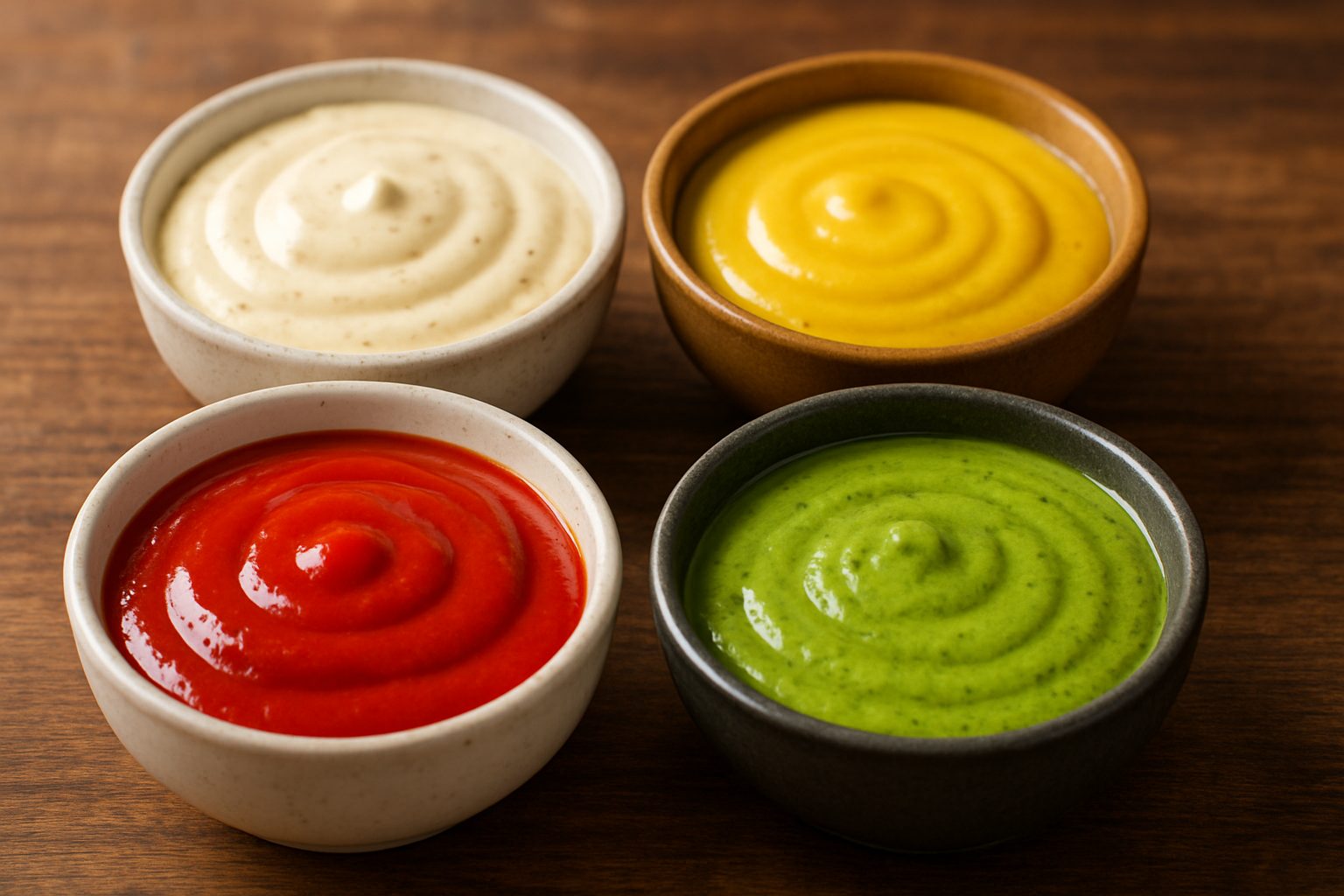
Consider thickness as well as flavor. A thick dip may stay where you place it, while a looser sauce can spread across the plate. That affects how you serve the meal and whether you want a small separate bowl. Texture is part of the pairing decision, not merely a detail to address when the food is ready.
Read the ingredients if the dip is prepared and a requirement matters. A name such as herb sauce or savory dip does not explain every component. Keep the actual label available for anyone who needs it. The same attention you give the dumpling filling should extend to the accompaniment that may cover it.
If you make the dip yourself, use the version you know for the first pairing. Changing its seasoning substantially at the same time as trying a new filling creates two unknowns. A familiar sauce helps you judge the food beside it. You can adjust the recipe another time once you know which part you want to change.
Choose a filling that will remain recognizable
A strongly flavored dip can dominate a subtle filling. That may be exactly what you enjoy, but consider whether you are buying a particular variety for a flavor that will disappear under the sauce. If the mushroom or pepper note is the reason for the purchase, serve the dip in a way that lets you taste the filling independently.
Potato and cheddar can provide a familiar starting point. Holy Perogy’s Oh! So Cheesy is a full-size vegetarian pierogi with that filling. A dip you already enjoy with savory potato or cheese may be worth considering alongside it, but treat the pairing as a personal experiment rather than a guaranteed match.
Decide whether you want continuity or contrast. A creamy dip beside cheddar emphasizes richness; a tart accompaniment introduces a different note. Neither is automatically better. The useful choice is the one that reflects what you want to eat, rather than adding sauce simply because the meal includes dumplings.
Try the first cooked dumpling with little or no dip so you understand the filling. Then add the amount you want. Notice whether the dip complements the cheddar or becomes the only flavor you can taste. It can reveal that the favorite sauce is enjoyable in a smaller amount than you initially imagined.
Follow the package directions for preparation. These products are sold frozen and uncooked, and a dip does not change the cooking requirements. Keep the sauce decision separate from the method used to prepare the product so that flavor experimentation remains a serving choice.
Plan a simple side outside the dip’s flavor family
Once the filling and dip are settled, choose an accompaniment that adds something else. If both are rich, a crisp vegetable side may be welcome. If the dip is sharp and garlicky, a more plainly prepared vegetable could let that flavor remain distinctive. You do not need another heavily seasoned dish competing for attention.
Use the contents of your kitchen to narrow the choice. A vegetable you already intended to eat may be a better companion than an unfamiliar ingredient purchased only to make the menu sound elaborate. The side should have a clear role and a manageable preparation task.
The descriptions of Virginia Beach options from Holy Perogy can help confirm what the selected filling contributes before you shop for the side. If potato and cheddar supply the savory center, let the additional groceries answer a different need. The city page also provides a starting point for locating retailers to ask about the chosen variety.
Avoid automatically using the dip as the dressing for the side too. You may enjoy that repetition, but it can remove the contrast you planned. Keep the components separate for the first meal and decide from experience whether sharing the sauce improves the plate.
Serve the sauce in an amount people can choose
Give the dip a suitable vessel and serving utensil. A separate bowl lets diners choose their own amount without having the whole plate coated in advance. It also keeps the filling identifiable for someone who wants to taste it plainly.
For a small table, individual portions of dip may be more comfortable than a large central bowl. For another arrangement, one shared vessel may be simpler. Choose based on reach and space rather than presentation alone. People should be able to use the sauce without balancing their plates or leaning across a neighbor.
After eating, note whether the dip or filling needed adjustment. You may keep both and change only the serving amount, or choose a different side next time. The dinner has given you a specific answer about a combination you enjoy. Let that answer guide the next meal instead of searching for a universal rule about what goes with dumplings.
Key Points
- A favorite dip can serve as the foundation for a dumpling meal by influencing both the filling choice and accompanying sides.
- It is important to identify the dominant characteristics of a dip, such as its tangy or creamy qualities, to determine a harmonious filling.
- Thicker dips may require different serving considerations than looser sauces, affecting how the meal is plated and presented.
- When selecting filling, ensure that it remains recognizable and does not get overshadowed by a strongly flavored dip.
- The side dish should complement the dip and filling by providing contrasting flavors or textures without competing for attention.
- Serving the dip in separate vessels allows diners to control the amount used, ensuring that the filling’s flavor can be appreciated.