







Australia’s industrial property sector is moving toward a more advanced model in which efficiency, adaptability, technology, and design work together. As businesses modernise their operations, industrial spaces are expected to provide more than storage or production capacity. They increasingly need to support logistics, automation, workforce requirements, energy efficiency, and future expansion. Hannas Group reflects this changing direction by highlighting how innovation and functionality can shape industrial environments prepared for the next stage of business growth.
Contents
- Industrial Spaces Are Becoming More Sophisticated
- Efficiency Is Driving Contemporary Industrial Design
- Technology Is Reshaping Industrial Functionality
- Flexible Spaces Can Support Business Growth
- Sustainability Is Becoming a Performance Advantage
- Location and Connectivity Remain Essential
- Workplace Design Is Gaining Greater Attention
- Data and Planning Can Improve Future Readiness
- The Future Will Favour Adaptable Industrial Environments
- Conclusion
Industrial Spaces Are Becoming More Sophisticated
The role of industrial property has expanded significantly as supply chains become more technology-driven. Modern facilities can accommodate warehousing, distribution, manufacturing, logistics, and multiple business functions within carefully planned environments.
This evolution has increased the importance of efficient layouts and intelligent site planning. Every element, from vehicle circulation to internal space allocation, can contribute to how effectively a facility performs.
Efficiency Is Driving Contemporary Industrial Design
Operational efficiency remains one of the strongest priorities for businesses selecting industrial property. Well-designed spaces can support smoother movement of goods, equipment, vehicles, and employees.
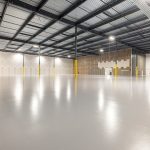
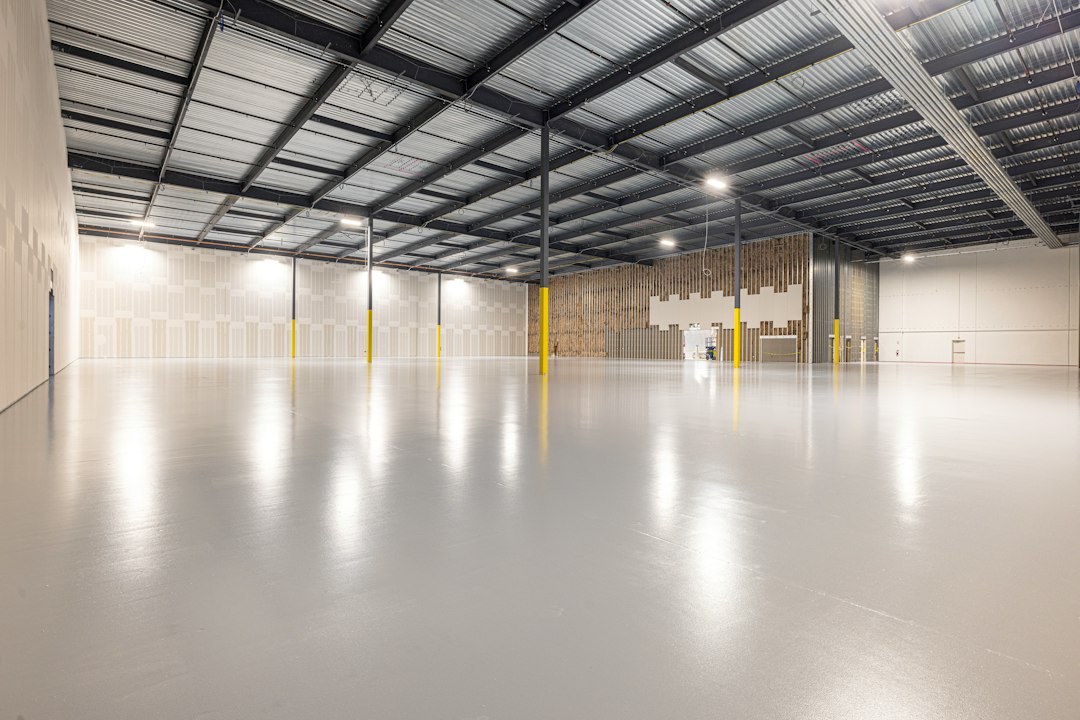
Practical features such as generous access areas, functional floor layouts, suitable loading zones, and efficient circulation can help businesses maximise their available space. This approach creates environments designed around real operational requirements rather than appearance alone.
Technology Is Reshaping Industrial Functionality
Automation, digital inventory systems, smart security, energy monitoring, and connected equipment are increasingly influencing industrial operations. As these technologies become more integrated into business processes, property design must accommodate their requirements.
Future-oriented industrial facilities can incorporate infrastructure that supports digital systems and technological upgrades. This creates greater flexibility for businesses as technology continues to develop.
Flexible Spaces Can Support Business Growth
Business requirements can change rapidly. Expansion, new equipment, additional inventory, or evolving distribution strategies can create new demands for physical space.
Flexible industrial design can help businesses respond to these changes. Adaptable configurations and practical layouts can provide opportunities for expansion or operational adjustments while helping organisations maintain continuity.
Sustainability Is Becoming a Performance Advantage
Sustainability is increasingly connected with the performance of industrial properties. Energy-efficient lighting, responsible materials, water management, landscaping, and efficient building systems can contribute to better resource use.
Sustainable features can also support long-term operational efficiency. As businesses place greater emphasis on responsible practices, environmentally conscious industrial spaces can become an increasingly attractive property choice.
Location and Connectivity Remain Essential
Innovation cannot replace the importance of a strategic location. Industrial businesses depend on efficient connections to transport routes, suppliers, employees, customers, and surrounding commercial areas.
Well-positioned industrial spaces can help businesses manage logistics more effectively. Combining strong connectivity with intelligent site design can create a more complete solution for modern commercial operations.
Workplace Design Is Gaining Greater Attention
Industrial facilities are also workplaces, making employee experience an increasingly relevant consideration. Natural light, ventilation, safe movement areas, accessible amenities, and well-maintained surroundings can contribute to a better working environment.
A balanced approach to industrial design can support both operational performance and the people responsible for delivering that performance.
Data and Planning Can Improve Future Readiness
Modern development increasingly benefits from detailed planning and data-informed decision-making. Understanding site conditions, market requirements, infrastructure, and potential future demand can help shape more effective industrial projects.
This approach allows developers to consider both current requirements and emerging trends. The result can be spaces that remain useful as business models and technology continue to evolve.
The Future Will Favour Adaptable Industrial Environments
Industrial property is likely to become increasingly connected, flexible, efficient, and technology-enabled. Businesses will continue to seek facilities that can accommodate operational changes without sacrificing productivity.
Developments that combine practical design with innovative infrastructure can provide stronger foundations for long-term business activity. This makes functionality an essential part of future industrial property value.
Conclusion
The future of industrial spaces will be defined by the relationship between innovation and functionality. Technology, flexible design, sustainability, efficient layouts, connectivity, and workforce considerations are coming together to create a new generation of industrial environments. By focusing on how businesses operate today while anticipating how their requirements may evolve tomorrow, modern industrial development can create spaces that support efficiency, adaptability, and sustainable long-term growth across Australia.
Key Points
- Australia’s industrial property sector is evolving to combine efficiency, adaptability, technology, and design to meet modern business needs.
- Modern industrial spaces are required to support diverse functions such as logistics, automation, and workforce requirements beyond mere storage and production.
- Operational efficiency is a primary concern for businesses when choosing industrial properties, leading to a focus on practical and functional design features.
- The integration of technology, including automation and smart systems, is reshaping the functionality and design of industrial properties.
- Sustainable practices are becoming a key performance advantage in industrial property, enhancing resource use and long-term operational efficiency.
- Strategic location and connectivity remain vital for industrial spaces, enabling better logistics management and operational effectiveness.