








Packaging is often the first physical interaction customers have with a product, making presentation an important part of the overall brand experience. From product labels and boxes to bags, inserts, and promotional packaging, printing services help businesses transform packaging concepts into polished materials that communicate identity, information, and value. As product categories continue to expand and customer expectations evolve, professionally produced packaging can support a consistent appearance while helping products stand out in competitive retail and online environments.
Contents
- Why Is Packaging Important for Modern Brands?
- How Do Product Labels Support Brand Recognition?
- What Types of Packaging Can Be Professionally Printed?
- How Can Packaging Statistics Inform Brand Decisions?
- Why Is Label Design Important for Products?
- How Does Packaging Strengthen Brand Identity?
- Can Printed Inserts Improve the Customer Experience?
- What Role Does Color Play in Product Packaging?
- Why Does Print Quality Matter for Packaging?
- How Can Packaging Support Product Launches?
- Are Sustainable Packaging Options Becoming More Popular?
- How Can Small Businesses Benefit From Professional Product Printing?
- Conclusion
Why Is Packaging Important for Modern Brands?
Packaging performs several practical and visual functions. It can protect products, present essential information, reinforce brand identity, and create an attractive presentation for customers.
Market research frequently examines the influence of packaging on consumer attention, product recognition, purchase consideration, and brand perception. These measurements demonstrate why packaging is more than a protective covering. It can become an important communication point between a business and its audience.
Thoughtful packaging allows businesses to combine functionality with visual storytelling while maintaining a recognizable brand style.
How Do Product Labels Support Brand Recognition?
Labels provide a compact space for important product information and brand elements. Logos, product names, descriptions, ingredients, instructions, contact details, and other relevant information can be organized within a clear label design.
Consistent labeling across a product range can make individual products easier to recognize as part of the same brand family. Similar colors, typography, imagery, and layout structures can create a unified shelf or product presentation.
Labels can also be customized according to product size, shape, packaging material, and application requirements.
What Types of Packaging Can Be Professionally Printed?
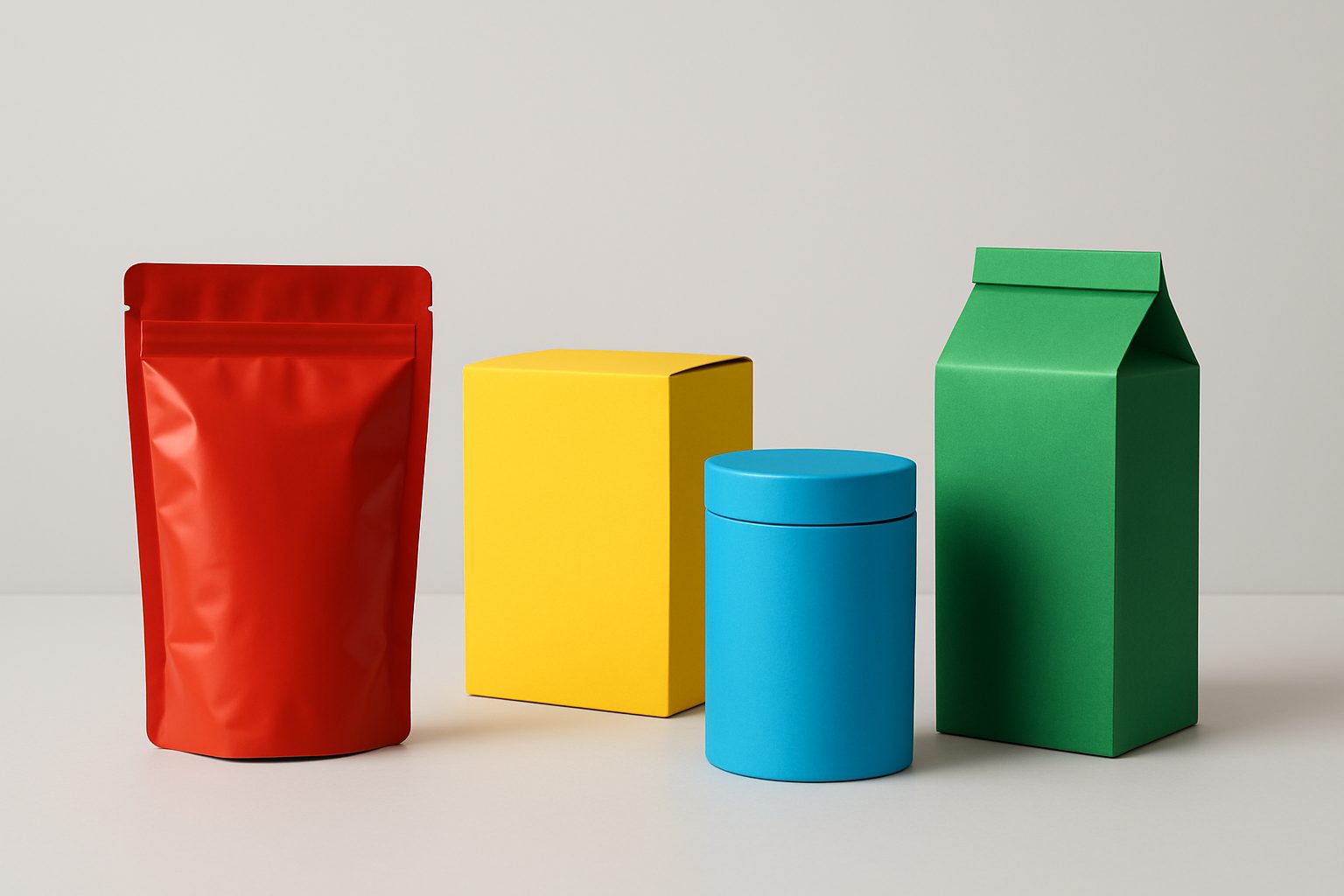
Businesses can explore many packaging formats according to their products and distribution needs. Common options include product boxes, folding cartons, bags, sleeves, tags, wraps, pouches, labels, stickers, and printed inserts.
Different industries may require different packaging solutions. Food businesses can use informative labels and branded containers, while cosmetics companies may focus on premium presentation. Retail businesses can incorporate product cards and packaging inserts, while specialty brands can create customized boxes that reinforce their identity.
The variety of available formats allows packaging to be designed around both the product and the customer experience.
How Can Packaging Statistics Inform Brand Decisions?
Statistics can help businesses understand how customers interact with packaging. Market studies often examine factors such as shelf visibility, product recognition, purchase behavior, packaging preferences, and customer responses to design elements.
These insights can help businesses make informed decisions about colors, labeling, information placement, packaging formats, and presentation styles.
Rather than relying only on visual preferences, brands can use measurable customer feedback and sales information to refine packaging over time.
Why Is Label Design Important for Products?
A label needs to balance information with visual clarity. Customers should be able to identify the product and understand essential details without struggling to read the content.
Effective label design generally gives priority to the product name, brand identity, important features, and required information. Appropriate spacing and typography can help maintain a clean appearance.
For products displayed alongside similar items, a distinctive but professional label can also help create visual differentiation.
How Does Packaging Strengthen Brand Identity?
Packaging can extend a company’s visual identity directly onto the product. When packaging reflects established brand colors, typography, imagery, and design principles, customers can recognize the brand across different product categories.
This consistency can be particularly useful for businesses with multiple products. A coordinated packaging system creates a connected appearance while allowing individual products to maintain their own characteristics.
Over time, repeated visual exposure can contribute to stronger familiarity with the brand.
Can Printed Inserts Improve the Customer Experience?
Printed inserts can provide useful information beyond the product label. Businesses may include care instructions, usage guidance, thank-you messages, product information, promotional details, or brand stories.
These small additions can create an opportunity for direct communication after purchase. A well-designed insert can also encourage customers to explore other products or learn more about the organization.
Because inserts are placed directly inside packaging, they can become a natural part of the unboxing experience.
What Role Does Color Play in Product Packaging?
Color is one of the most noticeable elements of packaging design. Businesses can use color to support brand recognition, create visual hierarchy, highlight important information, and establish a particular product atmosphere.
A consistent color system can make related products appear connected, while carefully selected contrasting colors can help specific information stand out.
Professional color reproduction is especially important because packaging often represents the brand directly at the point where customers encounter the product.
Why Does Print Quality Matter for Packaging?
Packaging is a highly visible brand asset, so production quality can influence its overall presentation. Clear text, sharp graphics, accurate colors, clean cuts, and suitable finishing can create a polished appearance.
High-quality printing is particularly valuable for packaging that is photographed, displayed in retail settings, or included in promotional campaigns. Consistent production can also help businesses maintain the same visual standards across different product batches and formats.
How Can Packaging Support Product Launches?
A new product launch often requires coordinated marketing across several channels. Customized packaging can become part of that campaign by carrying the same visual identity used in advertising, social media, promotional displays, and other marketing materials.
Special launch packaging can also highlight new products, limited editions, seasonal collections, or updated product lines. Coordinating packaging with the wider campaign creates a connected customer experience.
Are Sustainable Packaging Options Becoming More Popular?
Sustainability has become an increasingly relevant consideration for many organizations. Businesses can explore recyclable papers, responsible material choices, efficient packaging formats, and production approaches that help reduce unnecessary material use.
Statistics surrounding consumer preferences frequently examine environmental considerations in purchasing and packaging decisions. These insights can encourage businesses to evaluate both the practical and environmental characteristics of their packaging.
Thoughtful material selection can support a positive product presentation while aligning packaging decisions with broader organizational goals.
How Can Small Businesses Benefit From Professional Product Printing?
Professional packaging can help smaller businesses establish a polished and consistent product identity. Customized labels, boxes, stickers, and inserts can make products feel organized and thoughtfully presented.
For growing businesses, scalable print solutions also provide flexibility as product ranges expand. A consistent design system can be adapted across different sizes, variations, and product categories without losing the core identity of the brand.
Conclusion
Professional printing plays an important role in transforming labels, packaging, and product materials into effective brand communication tools. From clear product information and recognizable labels to attractive boxes, bags, sleeves, and inserts, printed packaging can support both practical requirements and customer experience. Industry statistics and market research continue to provide useful insights into packaging preferences, product recognition, and consumer behavior. With thoughtful design, appropriate materials, consistent branding, and quality production, businesses can create packaging that presents products professionally while building stronger connections with their audiences.
Top of Form
Bottom of Form
Key Points
- Packaging serves as the first physical interaction customers have with a product, making it essential for the overall brand experience.
- Professionally produced packaging can enhance product visibility and differentiate items in both retail and online environments.
- Effective label design is crucial for balancing information with visual clarity, ensuring that customers can easily identify and understand the product.
- Consistent labeling across a product range fosters brand recognition by creating a unified presentation through similar colors, typography, and layout structures.
- Packaging quality is vital, as it directly impacts brand perception through aspects like clear text, sharp graphics, and accurate colors.