






A healthy lawn in South Florida requires more than regular watering and fertilization. The region’s warm temperatures and humidity create conditions where lawn pests can cause significant damage quickly, often before homeowners recognize what is happening. Understanding the most common threats and how professional care addresses them helps property owners maintain resilient, attractive outdoor spaces throughout the year. Hagen Environmental Services provides lawn pest control solutions in Jupiter, FL designed around the specific challenges of South Florida’s environment.
What Lawn Pests Cause the Most Damage to South Florida Grass?
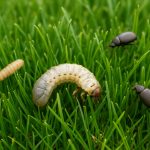
Several insects consistently threaten the health of South Florida lawns. Chinch bugs are among the most damaging, feeding on St. Augustine grass and causing yellow or brown patches that spread outward from a central point. Sod webworms feed on grass blades at night, leaving ragged patches and thinning turf across large areas. Mole crickets tunnel through the soil, disrupting root systems and creating uneven, spongy ground. Armyworms move across lawns in large numbers and can strip large sections of grass rapidly during warm months.
Why Do Homeowners Often Mistake Pest Damage for Other Lawn Problems?
Pest damage frequently resembles the symptoms of drought stress, nutrient deficiencies, or lawn disease. Brown patches and thinning turf appear for many different reasons, and without a proper inspection, homeowners may apply fertilizer or adjust irrigation without addressing the actual cause. By the time the correct diagnosis is made, damage may have spread well beyond the original affected area. Professional identification ensures that the right treatment is applied at the right time.
What Are the Early Warning Signs That Lawn Pests May Be Present?
Several visual clues signal potential pest activity before damage becomes severe. Irregular brown or yellow patches that do not respond to watering are a common early indicator. Spongy or uneven ground in previously firm areas may suggest mole cricket tunneling. Grass blades with ragged or chewed edges point toward feeding activity from caterpillar-type insects. Birds feeding frequently in a specific lawn area can also indicate insect activity beneath the surface, as birds often feed on grubs and other lawn pests.
How Does South Florida’s Climate Affect Lawn Pest Activity Seasonally?
Unlike cooler climates, South Florida’s lawn pests remain active for most of the year. Warm winters allow many insects to continue reproducing and feeding without a dormant period. Chinch bug activity tends to increase during dry, hot stretches, while sod webworms and armyworms become more active following heavy rains. This year-round pressure means that routine monitoring and preventative treatments offer more reliable protection than reactive treatments applied only after visible damage appears.
What Does Professional Lawn Pest Control Include Beyond Treatment Applications?
Effective lawn pest management begins with a proper diagnosis. Professionals assess the type of grass, inspect for active pest populations, evaluate moisture and soil conditions, and identify any underlying factors that may be contributing to pest pressure. Treatment applications are then targeted to the affected areas and pest species involved. Ongoing monitoring helps confirm that treatments are working and allows for adjustments as seasonal pest pressure changes.
Can Lawn Pest Damage Be Prevented With Regular Maintenance?
Consistent lawn care practices reduce conditions that attract and support pest populations. Proper mowing height, appropriate irrigation schedules, and healthy fertilization all contribute to a stronger lawn that is more resistant to pest damage. However, South Florida’s climate makes professional preventative treatments a practical part of long-term lawn protection for many homeowners, particularly those with high-value landscaping or properties near water and vegetation.
Do Lawn Pest Control Services Also Address Mosquitoes and Outdoor Pests?
Yes. Outdoor living areas in Jupiter and throughout Palm Beach County are frequently affected by mosquitoes, especially after summer rains. Managing standing water, treating breeding sites, and applying targeted mosquito treatments helps protect patios, pools, and backyard spaces. A comprehensive approach to outdoor pest management addresses both lawn-damaging insects and the biting pests that make outdoor time uncomfortable.
Protecting a South Florida lawn requires consistent attention, early detection, and treatments tailored to the specific pests and conditions affecting the property.