








Safety film can be valuable, but it should be explained realistically. It can reinforce glass and help hold shattered pieces together, but it is not a replacement for locks, alarms, lighting, or other property-security measures. That distinction helps owners make better decisions.
What the Film Is Meant to Change
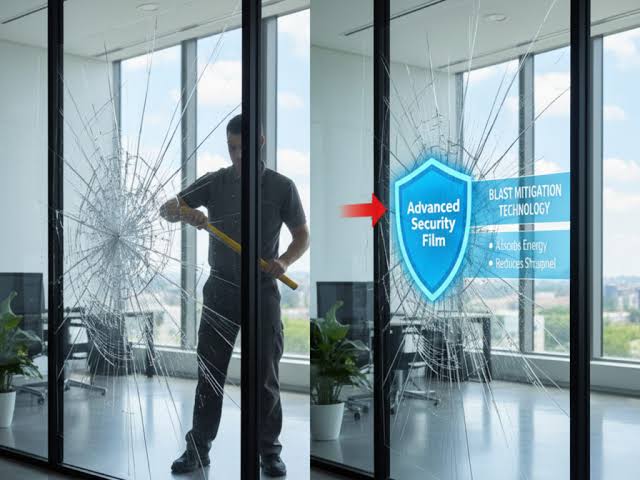
Ordinary glass can fail suddenly. Safety film adds a layer that can help keep broken pieces together and make the glass assembly behave differently after impact.
SRS describes home and commercial security window film in Vaughan in terms of reinforcing glass, deterring forced entry, and helping safeguard spaces from break-ins and accidents.
What It Should Not Promise
No film should be treated as a complete security system. A determined intruder, poor door hardware, weak lighting, or no alarm plan can still leave a property exposed.
- Do not skip locks and door hardware.
- Do not ignore lighting and sightlines.
- Do not choose film without naming the risky panes.
- Do not expect one product to solve every property issue.
Where Tint Film May Be the Better Fit
Some windows do not need security film first. They need heat control, glare reduction, UV protection, or privacy. Those are different problems with different film priorities.
For that type of project, home and commercial tint film may fit better than safety film on every pane.
Build a Layered Plan
A good glass plan names the risk, selects the right windows, and combines film with other sensible measures. That makes the upgrade easier to budget and easier to explain.
Safety film works best as one layer. When owners treat it that way, the recommendation becomes more credible and more useful.