








Early Uses of Asbestos for Fire Safety
Asbestos has been recognized for its fire-resistant properties for centuries. Early civilizations, including the Greeks and Romans, used asbestos in textiles and pottery to withstand high temperatures. However, it wasn’t until the 19th century that asbestos began to be marketed as a practical fireproofing material. During this period, fire hazards were a common concern, and asbestos was seen as a “miracle mineral” due to its ability to resist flames and heat. By combining asbestos with other materials, manufacturers created products like fireproof paint and roofing tar paper, which became essential for improving fire safety in homes and workplaces.
Mass Production of Asbestos Fireproofing Materials
The industrial revolution paved the way for the mass production of asbestos-based fireproofing materials. In the 1860s, Henry Ward, a building contractor, developed fireproof paints and roofing materials, marking the start of large-scale asbestos use. Later, Ludwig Hatschek revolutionized the industry by inventing the Hatschek machine in 1900. This machine allowed for the efficient production of asbestos cement panels, making fireproof construction materials more affordable and widespread. By the mid-20th century, spray-on asbestos insulation became a popular choice in high-rise buildings, offering lightweight yet effective fireproofing solutions.
Key Manufacturers of Asbestos Fireproofing Products
Several companies played pivotal roles in the asbestos fireproofing industry. Notable manufacturers included W.R. Grace, Isolatek International, United States Gypsum, and J.W. Roberts Limited. These companies produced a range of asbestos-containing products, such as spray-on fireproofing materials, insulation, and cement panels. Their innovations made asbestos a cornerstone of fire safety in construction, particularly in industrial and commercial settings. However, the widespread use of these materials eventually led to significant health and environmental concerns, which would later overshadow their initial benefits.
Chemical Properties That Made Asbestos Ideal for Fireproofing
Noncombustible and Nonflammable Nature
Asbestos stood out as a reliable fireproofing material primarily because it doesn’t burn. Its noncombustible and nonflammable characteristics made it an obvious choice for builders and manufacturers seeking to minimize fire risks. Unlike other materials, asbestos fibers remain stable even when exposed to direct flames, making it invaluable for applications like insulation and protective coatings. These properties allowed it to be used in everything from roofing shingles to wallboards, offering an extra layer of safety in both homes and industrial settings.
High Melting Point and Thermal Stability
Another reason asbestos became so popular was its ability to withstand extreme heat. With a melting point of around 1,600 degrees Fahrenheit, asbestos could endure temperatures that would destroy most other materials. This thermal stability made it particularly useful in environments where high heat was unavoidable, such as around boilers, furnaces, and electrical systems. It was also a key component in fireproof fabrics and protective gear, ensuring durability even under intense conditions.
Flexibility and Blendability with Other Materials
One of asbestos’s lesser-known but equally important traits was its flexibility. The fibers could easily be woven into textiles or mixed with other materials like cement and plaster. This adaptability allowed manufacturers to create a wide range of fire-resistant products, from spray-on coatings for steel beams to fireproof curtains. Its lightweight nature further simplified its integration into construction projects, making it a versatile and cost-effective solution for fireproofing needs.
Applications of Asbestos in Building Materials
Residential Construction Uses
Asbestos found its way into homes primarily because of its fire-resistant and insulating properties. It was commonly mixed into cement to create durable roofing shingles and wallboards. Additionally, asbestos-containing insulation was extensively applied in attics and basements to enhance thermal efficiency and reduce fire risks. This made it a staple in mid-20th-century home construction. However, its presence in residential settings has raised significant health concerns, especially during renovations or demolitions.
Industrial and Commercial Applications
In industrial and commercial settings, asbestos was indispensable due to its ability to withstand high temperatures and resist chemical reactions. Factories and energy plants utilized asbestos for insulation around boilers, furnaces, and pipes. It was also incorporated into fireproof coatings and sprayed onto steel beams in high-rise buildings to prevent structural collapse during a fire. These applications highlight the versatility of asbestos in large-scale projects, despite its eventual association with severe health risks.
Integration into High-Rise Structures
High-rise buildings often relied on spray-on asbestos fireproofing to protect steel frameworks. This method gained popularity in the 1950s and 1960s, with notable examples like the Chase Manhattan Bank in New York. The lightweight nature of asbestos materials made them easy to apply, reducing construction time and costs. However, as awareness of asbestos-related health issues grew, its use in skyscrapers and other structures became a point of contention, leading to stricter regulations and eventual bans.
Military Utilization of Asbestos for Fireproofing
Asbestos in Military Bases and Barracks
The military heavily relied on asbestos for its fireproofing properties, incorporating it into nearly every aspect of base construction. Barracks, mess halls, and workshops were often lined with asbestos materials to reduce the risk of fire. This widespread use was driven by asbestos’s affordability and its ability to withstand extreme heat. Walls, ceilings, and even flooring in military housing were frequently insulated with asbestos-based products, ensuring both thermal and fire resistance. Over time, however, these materials became a health hazard as they started to degrade, releasing harmful fibers into the air.
Fireproofing in Naval Vessels and Aircraft
Naval ships and aircraft were particularly vulnerable to fires, making asbestos an essential material in their construction. The U.S. Navy, for example, used asbestos to insulate boilers, pipes, and engine rooms on ships. Fireproof blankets containing asbestos were also standard equipment for extinguishing onboard fires. In aircraft, asbestos was integrated into brake pads, gaskets, and insulation to enhance safety during high-temperature operations. Despite its effectiveness, the use of asbestos in these settings exposed countless service members to its dangerous fibers.
Protective Gear for Military Personnel
Military personnel working in high-heat environments, such as welders and firefighters, were equipped with protective gear made from asbestos. This included gloves, aprons, and full-body suits designed to shield them from extreme temperatures and flames. Asbestos was also woven into fireproof blankets and curtains used in emergency situations. While these items provided critical protection at the time, the long-term health risks associated with their use were not yet fully understood. Today, modern materials have replaced asbestos in military gear, but the legacy of exposure remains a significant issue for veterans.
For more about the Army’s use of asbestos, including its role in vehicle and aircraft components, visit this detailed overview.
Health Risks Associated with Asbestos Fireproofing
Respiratory Diseases Linked to Asbestos
Asbestos fibers are incredibly small, and when disturbed, they become airborne and can be inhaled easily. Once these fibers enter the lungs, they embed themselves in the tissue, leading to severe health problems over time. Mesothelioma, a rare but fatal form of cancer, is directly caused by asbestos exposure. Other conditions include asbestosis, a chronic lung disease, and asbestos-related lung cancer. These diseases often take years, sometimes decades, to manifest, making early detection nearly impossible.
Impact of Prolonged Exposure on Workers
Certain professions have faced a higher risk of asbestos exposure, especially those in construction, firefighting, and industrial manufacturing. Workers handling fireproofing materials, like spray-on asbestos, were often exposed to high concentrations of airborne fibers during application. Over time, prolonged exposure significantly increased their chances of developing life-threatening conditions. Even today, workers involved in renovations or demolitions of older buildings containing asbestos face similar risks.
Risks During Renovation and Demolition
Older buildings often contain asbestos fireproofing materials, which can become hazardous during renovation or demolition. Activities like drilling, cutting, or sanding disturb these materials, releasing fibers into the air. Friable asbestos, which crumbles easily, poses the greatest danger. For example, non-friable asbestos is less risky but still requires careful handling to avoid turning it into a friable state. Fire damage can also worsen the risk, as it breaks down materials and makes asbestos fibers airborne. In such scenarios, the health risks escalate, as seen in incidents where asbestos exposure was linked to severe respiratory illnesses. To mitigate these dangers, strict safety protocols are essential.
Regulatory Actions and Bans on Asbestos Use
Government Regulations in the 1980s
The 1980s marked a turning point for asbestos regulation in the United States. One of the most notable actions was the Environmental Protection Agency’s (EPA) 1989 Asbestos Ban and Phaseout Rule. This rule aimed to eliminate the use of asbestos entirely, but it faced legal challenges and was partially overturned in 1991. Despite this setback, the rule succeeded in banning several asbestos-containing products, including spray-applied fireproofing materials. This partial ban underscored the growing awareness of asbestos’ health risks and set the stage for further regulatory efforts.
Role of the EPA and OSHA in Restricting Asbestos
The EPA and the Occupational Safety and Health Administration (OSHA) have played pivotal roles in controlling asbestos exposure. The EPA, through the Toxic Substances Control Act (TSCA), has implemented strict reporting requirements for asbestos use and disposal. Additionally, the Asbestos National Emission Standards for Hazardous Air Pollutants (NESHAP) established guidelines to limit asbestos emissions during manufacturing, demolition, and renovation activities. OSHA, on the other hand, focuses on protecting workers by enforcing safety standards like the Asbestos Worker Protection Rule, which mandates training, protective gear, and exposure monitoring for those handling asbestos-containing materials.
Impact of Legislation on Construction Practices
Regulations have significantly reshaped construction practices over the years. The ban on spray-applied asbestos materials, for instance, forced the industry to adopt alternative fireproofing solutions. Moreover, the Asbestos Hazard Emergency Response Act (AHERA) introduced strict protocols for managing asbestos in schools, influencing broader building maintenance policies. These legislative measures have not only reduced asbestos exposure but also spurred innovation in safer building materials, paving the way for a healthier future.
Modern Alternatives to Asbestos in Fireproofing
Development of Safer Fireproofing Materials
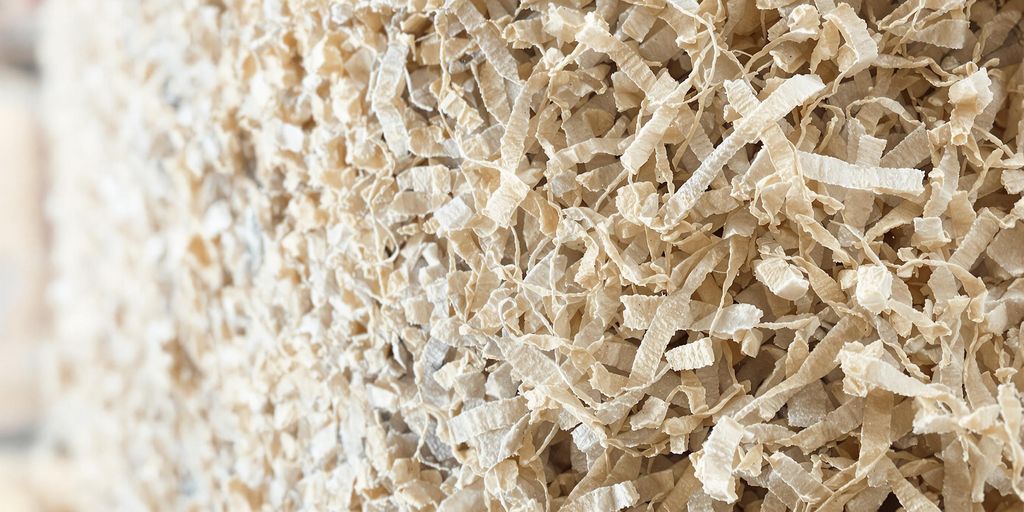
After the dangers of asbestos became widely known, researchers and manufacturers turned their focus to creating safer options. Today, fireproofing materials are made from components that are non-toxic and sustainable. Cellulose fiber insulation, for example, is crafted from recycled paper treated with fire-retardant chemicals, making it both eco-friendly and effective. Another popular alternative is polyurethane foam, which provides excellent thermal insulation alongside fire resistance. Ceramic composites have also emerged as a durable option, particularly in industrial settings. These materials not only meet safety standards but also reduce the health risks associated with older fireproofing methods.
Comparison of Effectiveness with Asbestos
While asbestos was undeniably effective due to its high melting point and non-combustible nature, modern alternatives hold their own in terms of performance. Ceramic composites, for instance, can withstand extreme temperatures similar to asbestos. Meanwhile, materials like cellulose insulation offer additional advantages, such as being lightweight and easy to install. Though these alternatives may sometimes come at a higher cost, their benefits in terms of safety and environmental impact make them a worthwhile investment. It’s clear that today’s fireproofing solutions are designed not just to protect buildings but also to prioritize human health.
Adoption of Non-Toxic Insulation Solutions
The shift toward non-toxic insulation has been significant, with homeowners and industries alike embracing safer products. Options such as hemp-based insulation and bio-based resins are gaining traction for their fire-resistant properties and minimal environmental footprint. Safe alternatives to asbestos-containing materials for homeowners include cellulose, polyurethane, and ceramic-based products. These solutions are not only safer but also align with growing demands for sustainable construction practices. As awareness of the risks posed by asbestos continues to grow, the adoption of these modern alternatives is expected to increase further. This evolution represents a critical step forward in creating healthier living and working environments.
Environmental and Economic Factors of Asbestos Use
Abundance and Low Cost of Asbestos
Asbestos is a naturally occurring mineral, and its abundance in the earth’s crust made it an affordable resource for industrial and construction purposes. Mining operations were widespread, and the cost of extraction was relatively low due to the mineral’s proximity to the surface. This combination of availability and affordability contributed to its massive use across various industries. Builders and manufacturers found it to be a cost-effective solution for fireproofing, insulation, and other applications.
Environmental Impact of Asbestos Mining
The mining and processing of asbestos have caused significant environmental damage. Open-pit mining operations disturbed large areas of land, releasing asbestos fibers into the air and contaminating nearby water sources. Environmental asbestos exposure often arises from these activities, as well as from improper disposal of asbestos-containing materials. Communities near mining sites have faced long-term health risks due to airborne fibers, which can remain in the environment for decades.
Challenges in Safe Disposal of Asbestos Waste
Disposing of asbestos is a complex and costly process. Improper handling or disposal can lead to the release of dangerous fibers, posing health risks to workers and surrounding communities. Safe disposal typically requires:
- Sealing asbestos waste in airtight containers or bags.
- Transporting it to specialized landfills equipped to handle hazardous materials.
- Following strict regulatory guidelines to prevent contamination.
These measures are necessary but increase the overall cost of asbestos use, further complicating its economic viability. The challenges of managing asbestos waste highlight the long-term environmental and financial burdens associated with this once-popular material.
Notable Incidents Involving Asbestos Fireproofing
World Trade Center and Asbestos Exposure
The collapse of the World Trade Center on September 11, 2001, brought to light one of the most devastating examples of asbestos-related hazards. The towers were constructed using significant amounts of spray-on asbestos fireproofing. When the buildings fell, massive clouds of asbestos-laden dust blanketed the surrounding areas. First responders, rescue workers, and local residents were exposed to this toxic air for months. Tragically, many have since developed asbestos-related illnesses, including mesothelioma and lung cancer. Due to the long latency period of these diseases, it is anticipated that more cases will surface in the coming years.
Industrial Accidents Linked to Asbestos
Industrial settings have long been a hotspot for asbestos exposure. Many factories and facilities used asbestos fireproofing to insulate machinery and protect buildings from fire hazards. However, accidents such as fires or structural collapses often released asbestos fibers into the air. For instance, shipyard workers faced heightened risks during activities like cutting or drilling asbestos-coated materials. This exposure has been directly linked to chronic respiratory conditions and life-threatening diseases.
Long-Term Health Effects on Affected Communities
Communities near industrial sites and older buildings have faced lingering health impacts due to asbestos contamination. Renovation or demolition of structures containing asbestos often releases harmful fibers into the environment. Recent wildfires in areas like Los Angeles have raised concerns about asbestos being released from destroyed buildings. Such incidents highlight the ongoing risks faced by both workers and residents, even decades after asbestos was banned in many applications.
Consumer Products Containing Asbestos for Fire Safety
Household Items with Fireproofing Properties
Asbestos was commonly used in everyday household items to improve fire resistance. Products like ironing board covers, oven mitts, and fire blankets often included asbestos fibers to withstand high temperatures. Even mattresses were sometimes manufactured with asbestos layers to reduce fire risk. These items were marketed as safe, durable, and essential for fire safety in homes, despite the hidden health risks.
Protective Clothing for High-Heat Environments
Firefighters and industrial workers relied heavily on protective gear made with asbestos. Asbestos fibers were woven into suits, helmets, gloves, and boots, offering exceptional heat resistance. This made the gear invaluable for those working in extreme conditions, such as firefighting or metalworking. However, prolonged exposure to asbestos in these items posed severe health hazards, which were only recognized decades later.
Asbestos in Everyday Appliances
Many household appliances incorporated asbestos to enhance fireproofing. Items such as toasters, hairdryers, and even coffee makers often contained asbestos-insulated components. The noncombustible nature of asbestos made it an attractive choice for manufacturers aiming to improve product safety. Unfortunately, these appliances became a source of asbestos exposure for consumers, especially when the materials degraded over time.
The Decline of Asbestos in Fireproofing Practices
Public Awareness of Health Hazards
The turning point for asbestos fireproofing came when the public became aware of the serious health risks associated with its use. For decades, asbestos was marketed as a “miracle material” due to its fire-resistant properties. However, studies in the 1970s began linking asbestos exposure to diseases like mesothelioma and lung cancer. These findings created widespread concern, prompting governments and health organizations to act. The realization that asbestos fibers could cause irreversible damage to the lungs shifted its perception from a lifesaving material to a public health threat. Media coverage and lawsuits further amplified the dangers, making asbestos a household concern rather than just an industrial issue.
Shift Towards Sustainable Building Materials
As awareness grew, so did the demand for safer alternatives. The construction industry began exploring materials that could replicate asbestos’s fireproofing qualities without the associated risks. This shift wasn’t immediate; manufacturers initially resisted due to the low cost and availability of asbestos. But as regulations tightened and public pressure mounted, alternatives like fiberglass, mineral wool, and specialized fire-resistant coatings gained traction. These materials not only reduced health risks but also aligned with the growing emphasis on sustainable and eco-friendly construction practices. The move away from asbestos signaled a broader shift toward prioritizing human and environmental health in building design.
Legacy Issues in Older Structures
Despite its decline, asbestos remains a lingering issue in older buildings. Structures built before the 1980s often contain asbestos in insulation, ceiling tiles, and fireproofing materials. Renovations and demolitions pose significant risks, as disturbing these materials can release harmful fibers into the air. Proper handling and disposal require licensed professionals, adding to the complexity and cost of dealing with asbestos in legacy constructions. Moreover, the misconception that asbestos was completely banned in the U.S. has led to complacency, further complicating efforts to address its presence. The closure of the last asbestos mine in 2002 marked the end of asbestos mining in the U.S. The misconception that asbestos was banned underscores the need for ongoing education and vigilance to minimize exposure risks.